





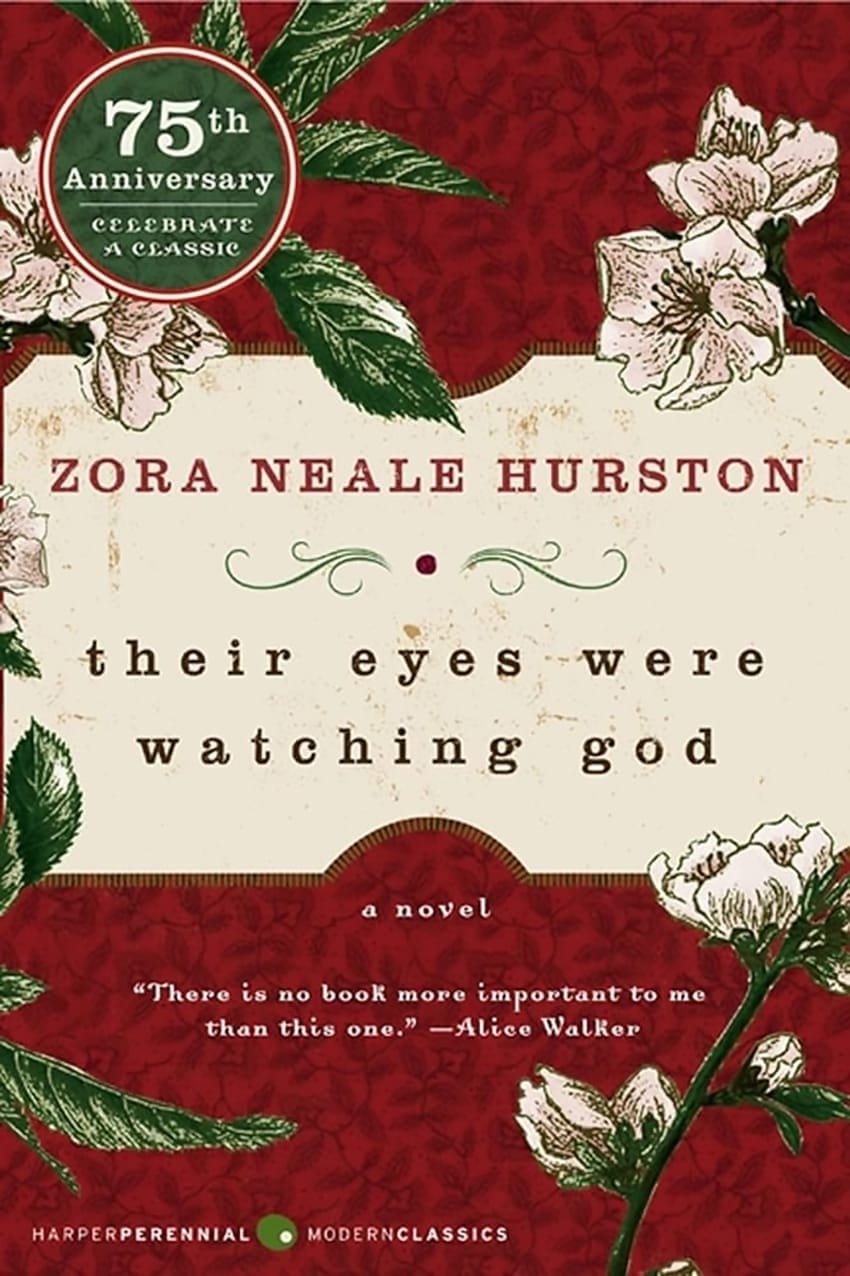

Their Eyes Were Watching God
Fair and long-legged, independent and articulate, Janie Crawford sets out to be her own person—no mean feat for a black woman in the ’30s. Janie’s quest for identity takes her through three marriages and into a journey back to her roots.
My thoughts:
This book has been on my list forever, and I finally picked it up this year for Black History Month. I’m also making a conscious effort to read more classics by non-white authors, and this one felt overdue. It’s also frequently banned, which immediately raised my curiosity. Any time a book sends a certain brand of pearl-clutching Christians into a panic, I want to know exactly why.
What I found was a beautifully written, deeply moving novel centered on a strong Black woman searching for a real, honest love and her own voice. If that’s controversial, then the problem certainly isn’t the book.
The story follows Janie Crawford as she reflects on her life, beginning with her return to Eatonville, Florida, where she recounts her experiences to her friend Phoeby. Through this frame narrative, we watch Janie grow from a sheltered, voiceless young girl into a self-assured woman who has lived, loved, and suffered deeply. Her journey unfolds through three marriages, each shaping her understanding of herself and what she wants from life.
Janie’s first marriage, arranged by her grandmother, is rooted in security rather than love. It’s stifling and joyless, and it quickly teaches her that safety without respect or affection is its own kind of prison. Her second marriage offers ambition and status, but at a steep cost. Janie becomes a mayor’s wife, admired from a distance and silenced in private. Her voice, her opinions, even her appearance are tightly controlled. Watching Janie endure this quiet erasure is painful, especially because Hurston renders it with such clarity and restraint.
Then there is Tea Cake. Their relationship is imperfect and ultimately tragic, but it’s also where Janie experiences partnership, laughter, desire, and mutual respect. For the first time, she isn’t an accessory or a symbol. She’s a person. That distinction matters. Hurston allows Janie to want joy and pleasure without punishing her for it, which still feels radical.
The writing is stunning. Hurston’s use of dialect and rhythm gives the novel a musical quality, grounding it firmly in Black culture and oral tradition. Every page feels intentional. This isn’t a long book, but it’s dense with meaning. Strength, love, self-expression, and Black identity are woven together seamlessly.
Which brings me back to the banning. It honestly befuddles me. Janie’s story is not obscene, dangerous, or corrupting. It’s human. The discomfort seems to stem from seeing a Black woman centered in her own narrative, making choices, desiring fulfillment, and refusing to be small. That kind of agency has always made certain people uncomfortable.
Reading this now, nearly a century after it was published, only reinforces how timeless it is. Janie’s struggle to find her voice in a world determined to define her feels as relevant now as it ever did. The book doesn’t shout its message. It trusts the reader to listen.
This is a quick read, but it leaves a lasting impression. This is not just an important classic. It’s a beautiful one. It deserves to be read, discussed, and defended. If it’s been sitting on your list for years like it was on mine, take this as your sign. Read it.


